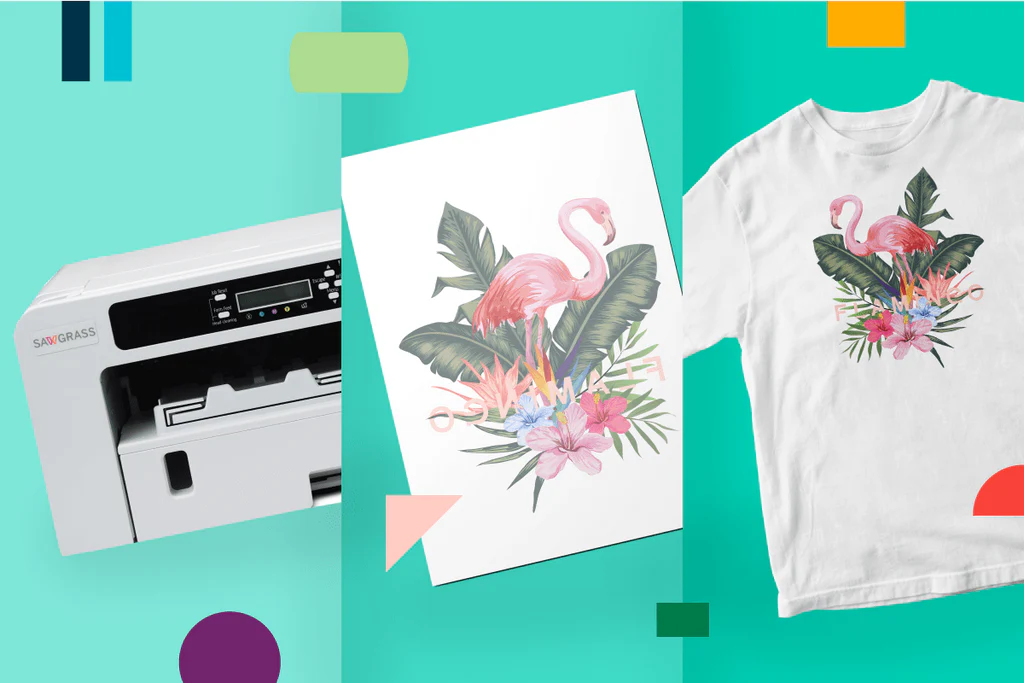
Sublimation printing has transformed the custom apparel industry by delivering vibrant, durable, and high definition designs that truly become part of the fabric. At The Sigma Apparel, we work closely with brands, startups, and established clothing lines that want premium quality results, and sublimation printing continues to be one of the most requested techniques in modern apparel manufacturing.
If you have ever wondered what is sublimation printing, how does sublimation printing work, or whether sublimation printing on shirts is right for your brand, this complete guide will give you in depth clarity. We will walk you through the science, the process, the benefits, and the business advantages of sublimated clothing so you can make informed decisions.
Understanding What Is Sublimation Printing
To truly understand what is sublimation printing, we must first look at the science behind it. Sublimation is a chemical process where a solid turns directly into gas without becoming liquid. In the world of apparel, special sublimation inks are heated until they convert into gas. This gas then bonds directly with polyester fibers at a molecular level.
Unlike traditional screen printing or heat transfer vinyl, sublimation printing does not sit on top of the fabric. Instead, the ink becomes part of the material itself. That is why sublimated clothing feels smooth and breathable rather than heavy or rubbery.
Many people also search for sublimination printing, which is often a spelling variation of sublimation printing, but the process remains the same. It is a digital printing method that allows full color, edge to edge designs with exceptional durability.
How Does Sublimation Printing Work in Real Production
One of the most common questions we receive at The Sigma Apparel is how does sublimation printing work in actual garment production.
The process begins with a digital design. A high resolution graphic is created using professional design software. This design is then printed onto special sublimation transfer paper using a sublimation printer. If you are wondering what is a sublimation printer, it is a specially designed inkjet printer that uses sublimation inks instead of standard inks.
After printing the design onto the transfer paper, the paper is placed onto polyester fabric. A heat press machine applies high temperature and pressure. During this stage, the ink turns into gas and penetrates the fibers. Once cooled, the design becomes permanent.
This entire method is known as sublimation transfer printing, and the printed sheet used in the process answers the question of what is a sublimation transfer. It is essentially the printed carrier sheet that transfers the design onto the garment through heat.
How Do Sublimation Printers Work
Many brands also want to know how do sublimation printers work and what makes them different from traditional printers.
A sublimation printer is calibrated to use dye based sublimation inks. These inks are formulated to react to heat. When printed onto sublimation paper, the ink appears slightly dull. However, once heat is applied during the transfer stage, the colors become vibrant and rich.
The printer works like a high end inkjet device but is optimized for precision color management, ensuring that complex gradients, photographic details, and multi tone designs can be achieved in one seamless process.
At The Sigma Apparel, we use advanced printing technology to ensure color consistency across production runs, which is crucial for fashion brands maintaining strict brand guidelines.
What Is Sublimation Printing on Shirts
A frequently asked question is what is sublimation printing on shirts and how it differs from other methods.
Sublimation printing on shirts involves printing directly onto polyester or polyester blend garments. Since the ink bonds with the fibers, the final product feels lightweight and breathable. This makes sublimated clothing ideal for sportswear, activewear, team uniforms, and fashion collections that require bold all over prints.
When you print sublimation on a shirt, you can achieve edge to edge coverage. This means designs can extend across seams, sleeves, and even full garment panels before assembly. The result is a truly custom product that cannot be replicated through traditional printing techniques.
Why Sublimated Clothing Is Gaining Popularity
Sublimated clothing has grown rapidly in popularity because it combines durability with design freedom. Since the ink becomes part of the fabric, it will not crack, peel, or fade easily. This makes it ideal for performance apparel and high movement garments.
Another major advantage is unlimited color capability. Unlike screen printing that may require separate screens for each color, sublimation printing allows full color images in a single process. This is particularly beneficial for brands launching graphic heavy collections or limited edition drops.
Because of these benefits, sublimation transfer printing is now widely used in sports uniforms, gym wear, cycling kits, swimwear, esports jerseys, and fashion forward streetwear collections.
The Technical Breakdown of Sublimation Transfer Printing
To further clarify how does sublimation printing work from a technical perspective, the process can be broken down into three essential phases.
First is digital artwork preparation. The design must be created in high resolution and adjusted for color profiles specific to sublimation printing.
Second is transfer printing. The design is printed onto sublimation paper using a sublimation printer. This answers the query what is sublimation printing in a production setting because it involves both digital and thermal technology.
Third is heat application. The transfer is pressed onto fabric at temperatures typically around 375 to 400 degrees Fahrenheit. During this stage, the ink sublimates and permanently bonds with the polyester fibers.
This entire method is what defines sublimation printing on shirts and other polyester based garments.
Common Misconceptions About Sublimination Printing
Some people confuse sublimination printing with vinyl or direct to garment printing. However, sublimination printing is strictly limited to polyester materials. It does not work effectively on pure cotton because the chemical bonding requires synthetic fibers.
Another misconception is that sublimation printing is only for white garments. While it works best on lighter colors due to the transparent nature of sublimation inks, creative fabric engineering and panel design can expand possibilities.
At The Sigma Apparel, we guide our clients in fabric selection to ensure that their sublimation transfer printing projects achieve the highest quality results.
Is Sublimation Printing Right for Your Brand
If you are launching an activewear line, sports team apparel, or vibrant fashion collection, sublimation printing is an excellent option. It offers long lasting quality, high detail prints, and superior comfort.
For startups, understanding what is a sublimation transfer and how do sublimation printers work can help you plan production budgets and timelines more effectively.
Brands seeking premium finish, breathability, and full design freedom often choose sublimated clothing to stand out in competitive markets.
Why Choose Us
At The Sigma Apparel, we combine advanced sublimation printing technology with expert craftsmanship to deliver exceptional results. Our team understands not just what is sublimation printing but how to optimize it for brand growth, scalability, and premium quality. From design consultation to final production, we ensure color accuracy, fabric compatibility, and flawless finishing so your sublimation printing on shirts and other garments exceeds expectations. We focus on durability, precision, and consistency so your brand builds long term customer trust.
Ready to bring your custom apparel vision to life with expert sublimation printing solutions Contact The Sigma Apparel today and let us help you create premium sublimated clothing that stands out in the market.
Frequently Asked Questions
Q. What is sublimation printing and why is it different from other methods?
Sublimation printing is a digital printing process where heat transforms solid ink into gas, allowing it to bond directly with polyester fibers. Unlike traditional printing methods, the design becomes part of the fabric, resulting in vibrant, long lasting prints without cracking or peeling.
Q. How does sublimation printing work step by step?
The process begins with a digital design that is printed using a sublimation printer onto transfer paper. Heat and pressure are then applied, causing the ink to convert into gas and permanently bond with the polyester fabric. This creates durable and high resolution designs.
Q. What is a sublimation printer used for?
A sublimation printer is specifically designed to print with sublimation inks. It produces designs onto transfer paper that can be heat pressed onto polyester fabrics. These printers are essential for producing high quality sublimation transfer printing results.
Q. What is sublimation printing on shirts best suited for?
Sublimation printing on shirts is ideal for sportswear, activewear, and fashion apparel that requires vibrant, all over designs. Because the ink bonds with the fibers, the shirt remains breathable and lightweight even with complex graphics.
Q. Can sublimated clothing fade over time?
When produced correctly, sublimated clothing maintains its color and quality for a long time. Since the ink becomes part of the fabric rather than sitting on top, it resists fading, cracking, and peeling even after multiple washes.